




Leather / Heated Seating
Xenon Headlamps
ONE OWNER
Sunroof
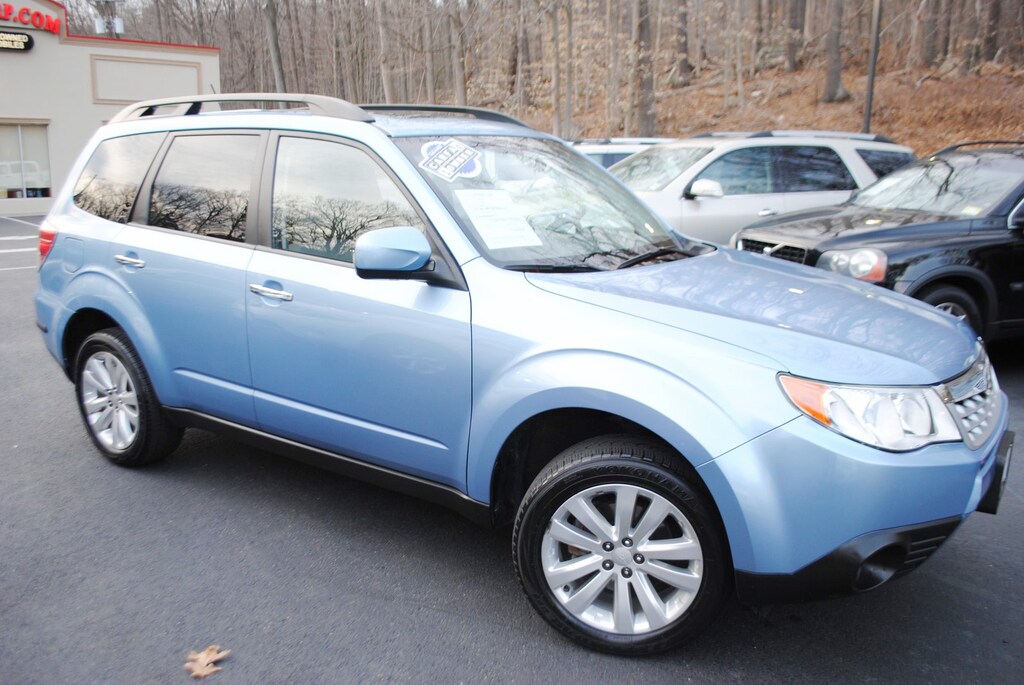
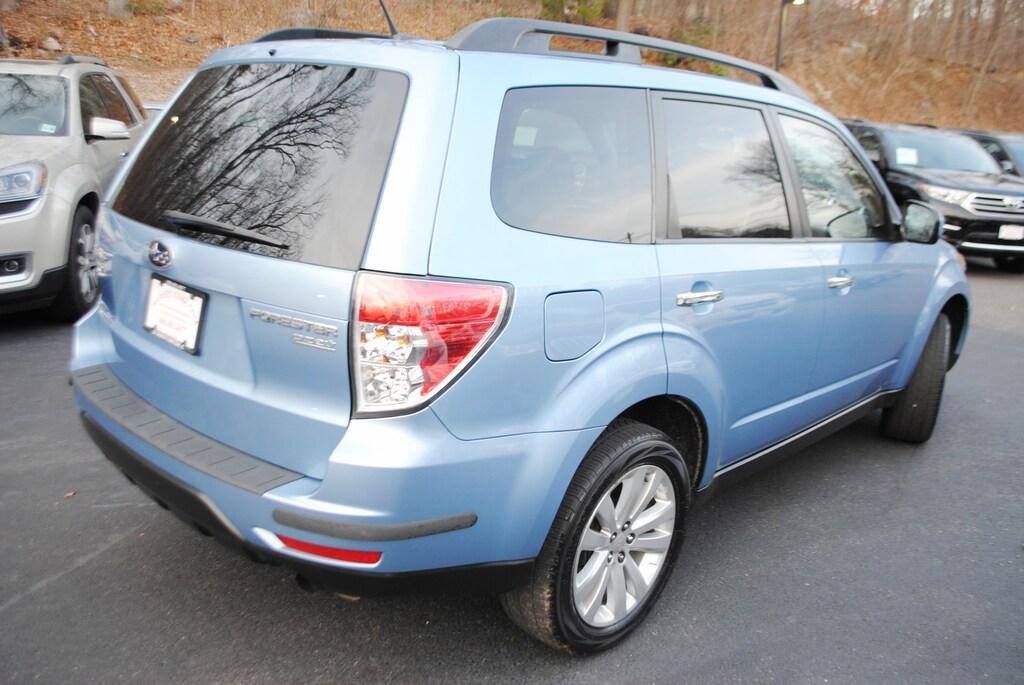
2011 SUBARU FORESTER 2.5X PREMIUM
JF2SHADC9BH735397
4 DOOR SPORT UTILITY 2.5
ALL WHEEL DRIVE

Vehicle Overview
The Subaru Forester, a successful small SUV/wagon since 1998, was redesigned for 2009. This generation is larger and similar to other car-based compact SUVs out there, including the Ford Escape and Honda CR-V. It seats five people and has standard all-wheel drive.
New for 2011
Forester has a newly available portable navigation system, a new 2.5-liter four-cylinder engine and a new top-of-the-line 2.5XT Touring model. The TomTom navigation system available on the 2.5X Premium model includes a 4.3-inch touch-screen that you can take with you when you leave the car. The portable navigation system also comes with Bluetooth, a USB port and iPod capability, plus a backup camera is available. Bluetooth is now standard on all except the base Forester.
Exterior
Ground clearance is 8.9 inches. Fog lights are optional, and turbo versions are distinguished by a hood scoop that funnels air into the intercooler just under the hood. Exterior features include:
- Optional high-intensity-discharge headlights
- Roof rails standard
- Chrome exhaust tips on Limited and Premium
- 16-inch wheels standard on 2.5X models
- 17-inch wheels standard on all other trims
- Rear spoiler on 2.5XT Premium and Limited
- Standard rear-window wiper
Interior
The door openings are large, and the rear window is larger than on the previous Forester. A center armrest is standard for the backseat, and a retractable center tray is optional. Interior features include:
- Standard MP3 jack
- Standard Bluetooth (except base model)
- Available TomTom portable navigation system
- Standard sliding armrest
- Standard 60/40-split folding rear seats
- Standard tilt steering column (telescoping added to 2.5XT Limited and Premium)
Under the Hood
Foresters are powered by a choice of naturally aspirated or turbocharged 2.5-liter four-cylinder engines and either a five-speed manual or four-speed automatic transmission. The naturally aspirated engine is still 2.5 liters with 170 horsepower, which is the same as before, but it's a new engine that produces more torque (174 pounds-feet versus 170) and, Subaru says, is more economical.
The transmissions come with different all-wheel-drive systems. According to Subaru, the automatic comes with Variable Torque Management, which shifts power to the front and rear axles by monitoring throttle position, battery voltage, generator rpm, wheel speed, brake status, lateral g-force and automatic transmission fluid temperature. The manual Forester has a simple viscous coupling that's reactive rather than proactive. Mechanical features include:
- 170-horsepower, 2.5-liter four-cylinder with 174 pounds-feet of torque
- 224-hp, turbocharged 2.5-liter four-cylinder with 226 pounds-feet of torque
- Hill start assist for manual transmission
Safety
A rollover sensor can deploy the side curtain airbags to protect occupants and prevent their ejection.
Safety equipment includes:
- Side-impact torso airbags for front occupants
- Side curtain airbags that protect front and backseat occupants against head injury
- Active head restraints standard for front seats
- Antilock brakes and an electronic stability system with traction control standard on all trim levels